

Fruits of the earth from the Old World.
We bring to Argentina wines from growers who farm old vines and native grapes. We begin with Spain: three wineries, three landscapes, one shared respect for place.
Fructus Terræ
In Latin, fructus terrae means the fruits of the earth. It is the idea behind every choice: we look for wines that tell where they come from and speak of who made them.
Pre-phylloxera vines on volcanic ash, dry-farmed Garnacha on slate, tiny granite plots in the Ribeiro. Small-production wines that until now never reached Argentina.
The producers
Envínate
Envínate is the project of four friends who met studying oenology in Alicante – Laura Ramos, Alfonso Torrente, José Ángel Martínez and Roberto Santana – and who since 2005 have made wine in different regions of Spain, each in charge of a territory, seeking the fullest expression of each plot with the least possible intervention. Besides the Canary Islands, they work in Ribeira Sacra, in Galicia.
In Tenerife they farm pre-phylloxera vines, many over a century old and ungrafted, on volcanic soils of basalt and ash, trained in traditional ways such as the braided cordon and the rastras: one of the most singular viticultural heritages in Europe. The vineyards range from 75 to more than 1,000 metres, spread across four areas of the island: Anaga (Taganana), Ycoden-Daute-Isora (Santiago del Teide), the Orotava Valley (Los Realejos and La Orotava) and Tacoronte-Acentejo (Santa Úrsula). Single-plot wines, in small numbers of bottles, that show the island area by area.
- Founded
- 2005
- Soils
- Basalt and volcanic ash
- Altitude
- 75 to over 1,000 m
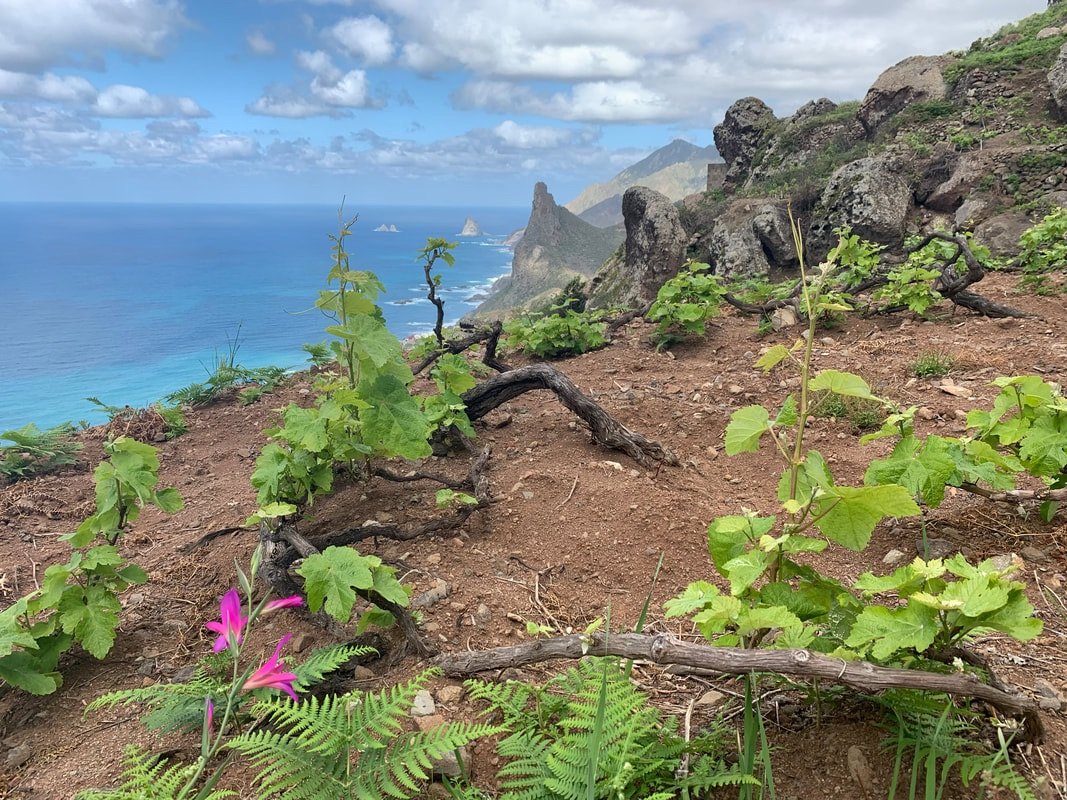
Drier than 2022, with an early harvest across most of the island — except Taganana, which received over 500 litres of rain: there it was a textbook vintage, a cooler, deeper version of 2021. In Santiago del Teide the heat halved the crop; in La Orotava it gave concentrated wines built to age.
See their winesAdega A Barouta
A Barouta is a small project in the Ribeiro, in Galicia, started in 2020 by Javier Alén, founder of Viña Meín in 1987, and Comando G – Dani Landi and Fernando García – of the Sierra de Gredos, after years of working together. It is run by Roberto Núñez, a Chilean who worked with Marcelo Retamal at De Martino, came to Gredos on a learning trip and stayed six years at Comando G as right-hand man, until joining as a partner in 2022.
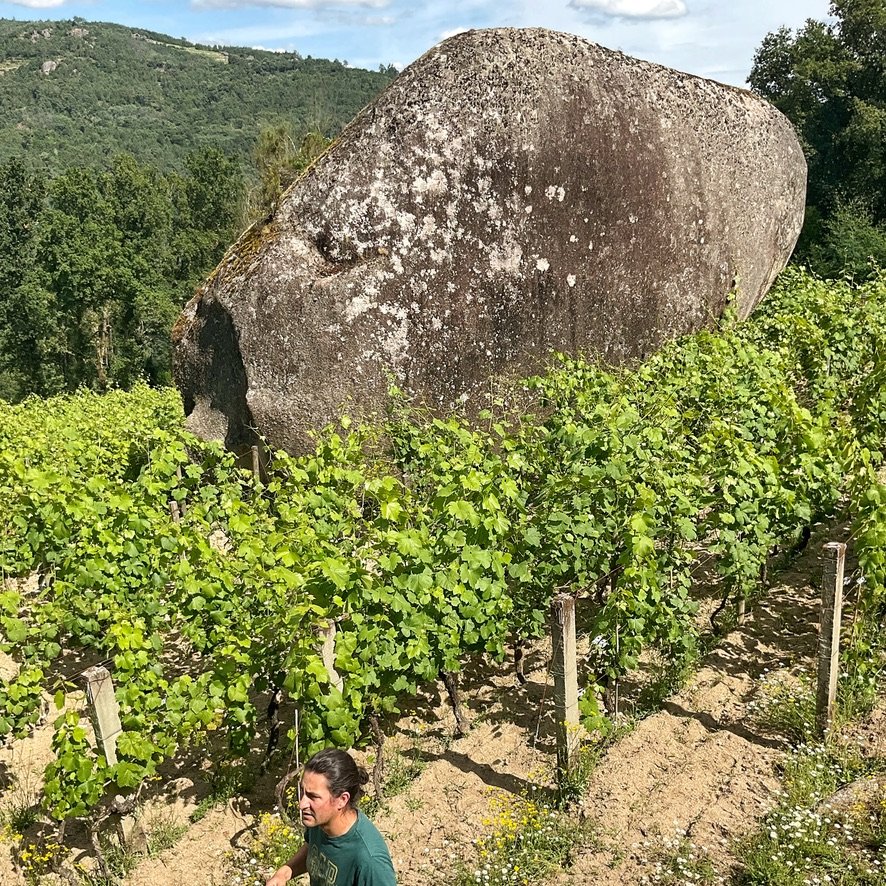
The focus is classic Ribeiro: old vines on granite terraces spread across the Avia valley, with local varieties – Caíño and Brancellao for reds, Treixadura and Albariño for whites. They make two village-level wines, the Ventoleiros, and two from their own plots, O Penedo and As Penas.
“With the respect – and perhaps the boldness – of the outsider, we are thrilled to present our first wines from the Ribeiro.”
A Barouta
- Founded
- 2020
- Soils
- Granite and schist
- Altitude
- 170–350 m
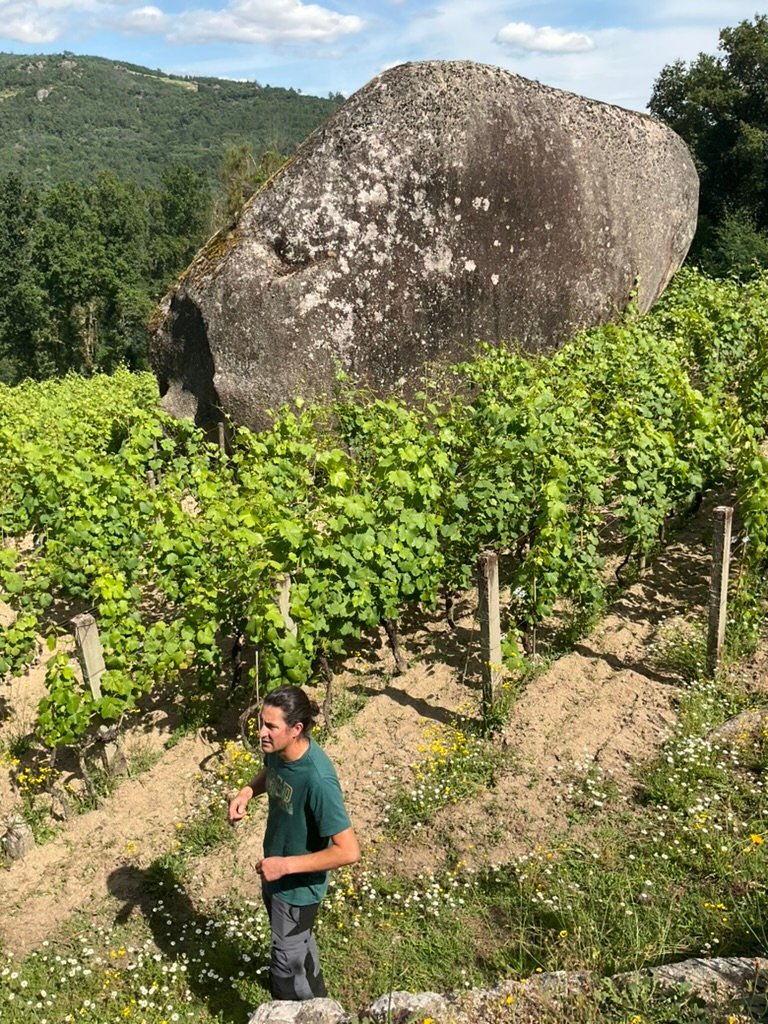
Two “regional” wines from bought-in grapes — the Ventoleiro white and red — and two single-plot wines, the white As Penas and the red O Penedo, made in tiny quantities and not every year: O Penedo was not made in 2023.
See their winesBodegas Frontonio
Bodegas Frontonio was born in 2008 in Alpartir, in the Sierra del Jalón, in Aragón, in the hands of Fernando Mora, Master of Wine, and the winemaker Mario López. They farm some 28 hectares of old bush-trained, dry-farmed Garnacha and Macabeo, planted between 1898 and 1980, many on hard-to-reach slopes, between 450 and more than 1,000 metres. The climate is continental, with the cierzo – the cold, dry north-westerly wind – blowing hard, and a slight Mediterranean influence that comes up the Ebro valley. Certified organic viticulture, in conversion to biodynamics.
Soil is at the heart of the project: they try to understand what each one brings to the glass. On one side there are sedimentary soils, sandstone and mallacán – what in Argentina we call caliche; on the other, the oldest materials, which make the place unique: slate and quartzite. Slate gives a very fine, slightly drying and sharp tactile sensation; quartzite brings light to the wine and makes it more weightless, more airy; sandstone, especially when ferrous, adds fruit and ferrous notes; and limestone always gives a sense of salt on the palate. That is why they dig soil pits and vinify each soil separately.
The reds are made with whole clusters trodden by foot, fermented in concrete or open vats, everything by gravity, and aged in large casks in 17th-century caves dug beneath the village. They use wood to refine the wines, because it makes the tannin finer: new casks go to the simpler wines, to dilute the oak flavour, and large-volume ones to the great wines. The range goes from the entry wines, Botijo and Microcósmico, to the single-plot wines, Las Alas de Frontonio.
“Understanding the soil is understanding the wine before it exists.”
Bodegas Frontonio
- Founded
- 2008
- Soils
- Slate, quartzite, sandstone and mallacán
- Altitude
- 450 to over 1,000 m
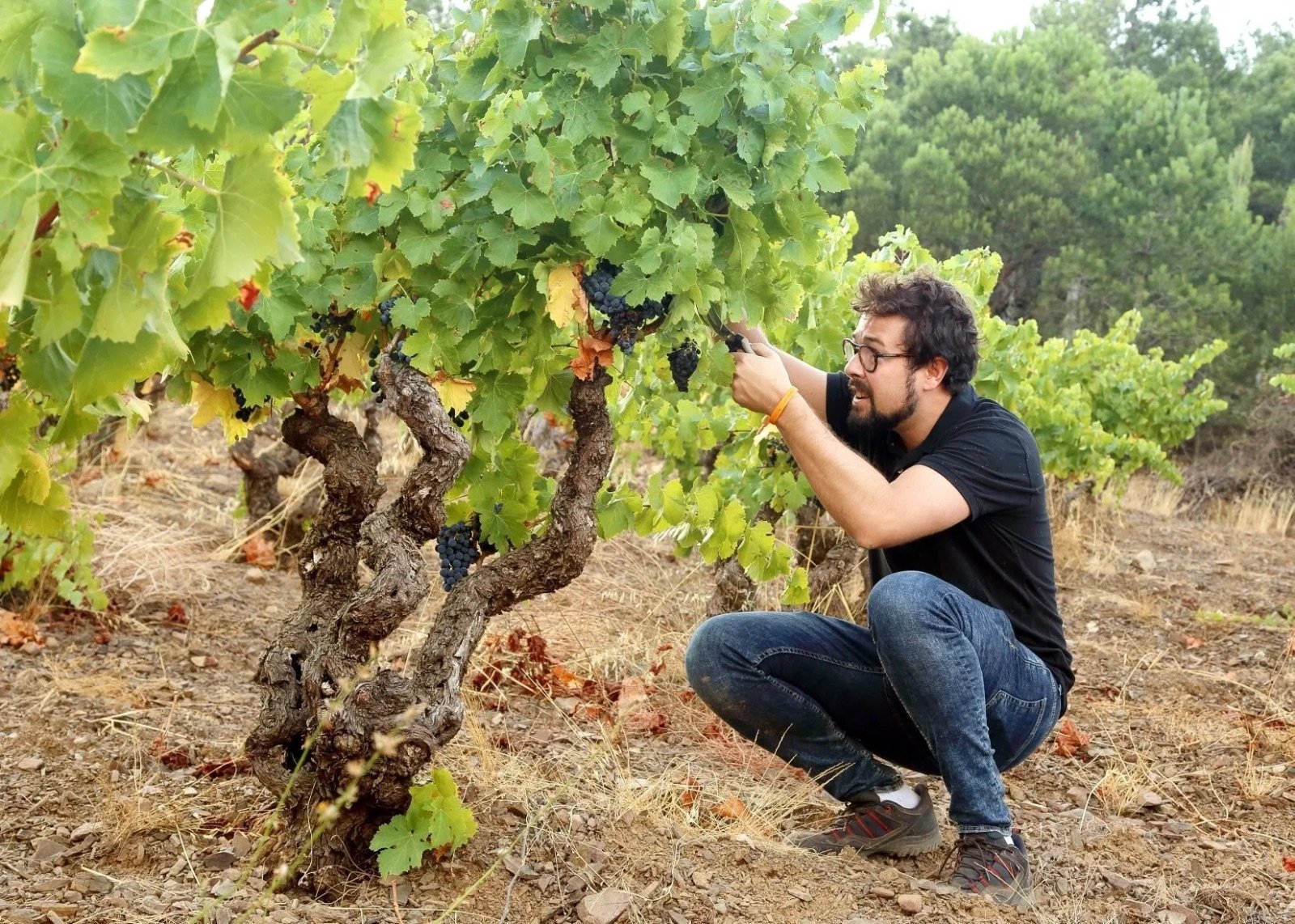
2022 was a hot, dry year that gave better wines than expected. 2023 repeated the pattern more moderately, with some rain during harvest that especially benefited the old vines.
See their winesThe wines
Ningún vino coincide con esta combinación.
Scores: The Wine Advocate (Luis Gutiérrez) unless noted. Technical data: lab analysis of each imported lot. Notes are Fructus Terræ’s own summary of published criticism, not a literal translation of the reviews.
Enquiries
If you run a restaurant or wine shop, or distribute wine, get in touch: we’ll send you our price list, availability and full technical sheets.
Stay in the loop
We’ll let you know about new producers and wines as they arrive. One email per shipment.